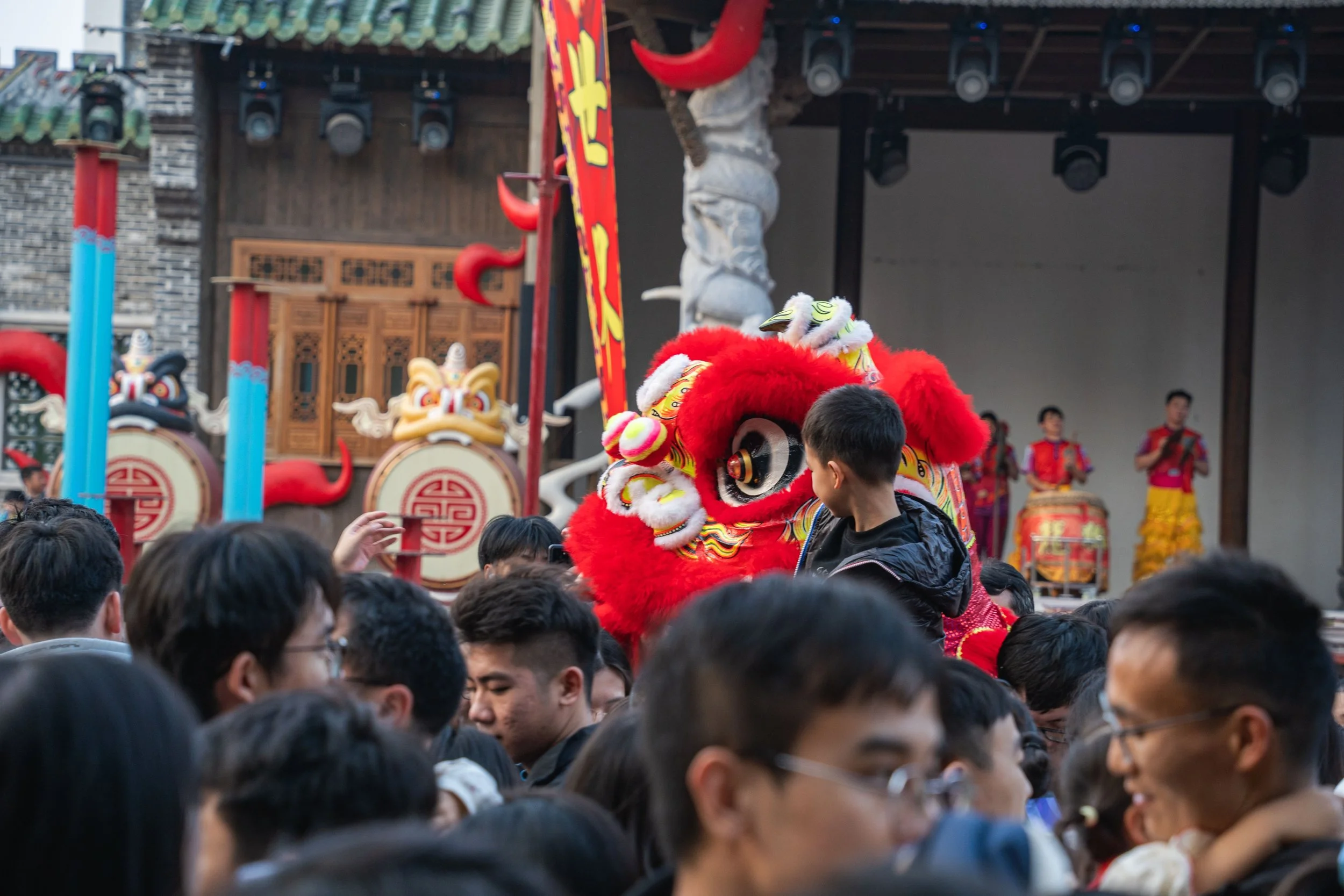
Lion Dance, 2026
Lion dance is a traditional performance art that holds a prominent place in Chinese culture, blending elements of folklore, martial arts, music, and ritual. With a history spanning over a thousand years, it is most commonly performed during festive occasions such as Lunar New Year celebrations, weddings, business openings, and important cultural festivals. The dance is believed to bring good luck, drive away evil spirits, and usher in prosperity, making it both an artistic display and a symbolic act deeply rooted in cultural beliefs.
The origins of the lion dance can be traced back to ancient China, although lions were not native to the region. Historical records suggest that the concept of the lion was introduced through trade along the Silk Road, where it became associated with strength, courage, and protection. Over time, Chinese communities developed their own interpretations of the lion, leading to the evolution of the lion dance as a performative tradition. Legends surrounding its origin vary, but one popular story tells of a mythical beast called “Nian” that terrorized villages until people discovered that loud noises, bright colors, and lion-like figures could scare it away. This legend forms the symbolic basis of many Chinese New Year customs, including firecrackers and lion dances.
There are two main styles of lion dance: the Northern Lion and the Southern Lion. The Northern Lion is characterized by its shaggy appearance, often resembling a realistic lion with golden fur, and is typically performed in pairs (a male and a female lion). Its movements are lively, playful, and acrobatic, often incorporating stunts such as jumping on platforms or balancing acts. In contrast, the Southern Lion, which is more commonly seen in southern China and overseas Chinese communities, has a more stylized appearance with a large head, expressive eyes, and vibrant colors. The Southern Lion dance emphasizes powerful, deliberate movements and is closely tied to martial arts traditions, particularly those of southern kung fu schools.
A lion dance performance usually involves two performers inside the lion costume—one controlling the head and the other the body and tail. The coordination between them is crucial, as they must move in perfect harmony to bring the lion to life. The lion’s head is often equipped with mechanisms that allow the eyes to blink, the mouth to open and close, and the ears to move, enhancing its expressiveness. Accompanying the dancers is a group of musicians playing traditional instruments such as drums, cymbals, and gongs. The rhythm of the music guides the movements of the lion, creating a dynamic interplay between sound and motion. The drumbeat, in particular, sets the pace and mood of the performance, shifting from slow and cautious to fast and energetic as the dance unfolds.
One of the most iconic elements of the lion dance is the “cai qing” (plucking the greens) ritual. In this segment, the lion approaches a bundle of lettuce (often hung high above the ground) along with a red envelope containing money. The lion must “eat” the lettuce and then scatter the leaves to the audience, symbolizing the spreading of wealth and good fortune. This act is especially popular during business openings, as it is believed to bring success and prosperity to the establishment.
Beyond its entertainment value, the lion dance serves as a means of preserving cultural heritage and fostering community identity. It is often taught within martial arts schools, where students learn not only the physical techniques but also the discipline, teamwork, and cultural significance behind the performance. In many Chinese communities around the world, lion dance troupes play an important role in cultural celebrations, helping to pass traditions from one generation to the next.
In modern times, the lion dance has also evolved to include competitive elements, with international competitions showcasing highly skilled performers executing complex routines on elevated poles or platforms. These performances require exceptional strength, balance, and coordination, pushing the art form to new levels while still maintaining its traditional essence.
In conclusion, the lion dance is much more than a festive performance; it is a vibrant expression of cultural identity, history, and shared values. Through its colorful costumes, rhythmic music, and symbolic movements, it continues to captivate audiences worldwide while preserving a rich cultural legacy that has endured for centuries.
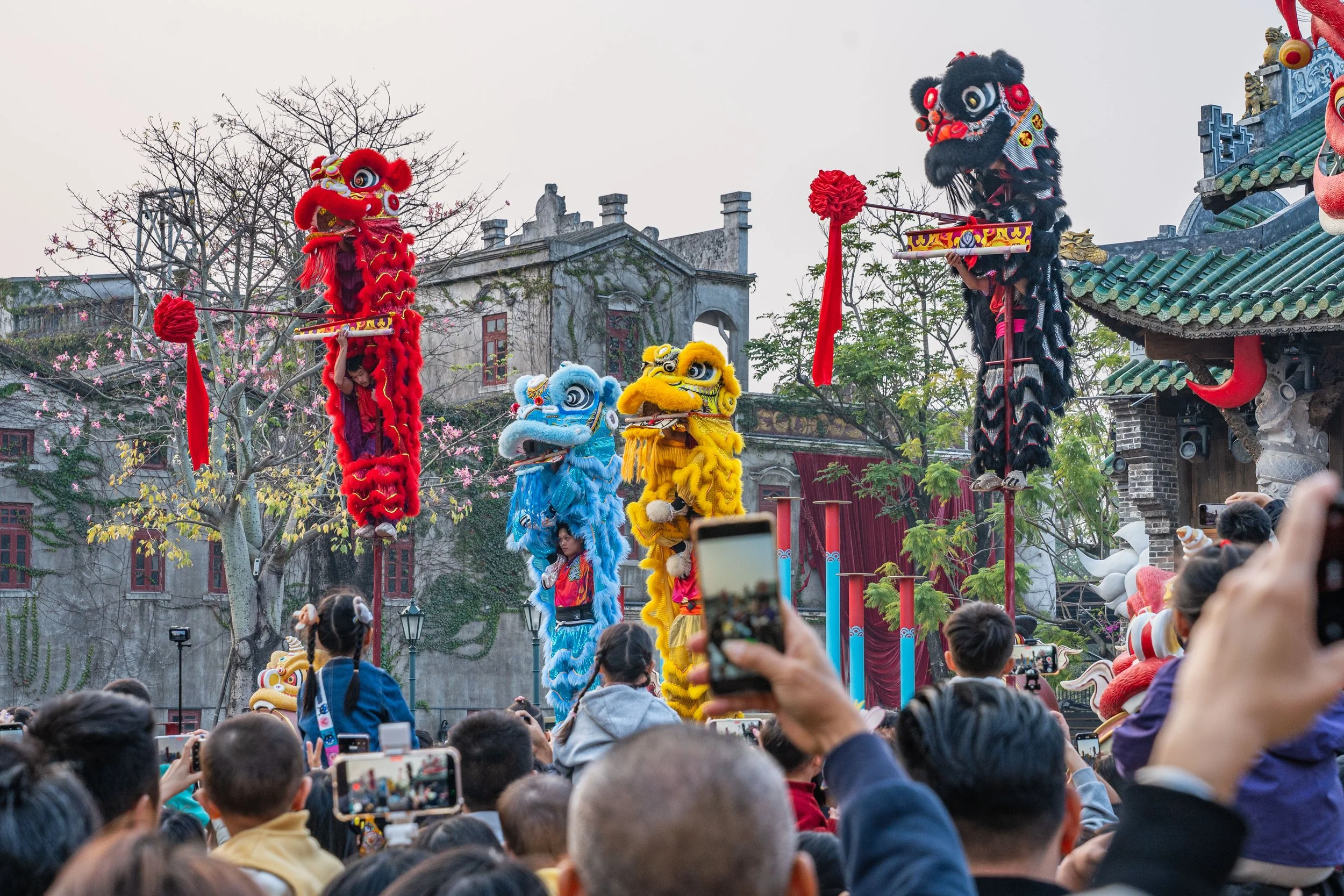
Lion Dance, 2026
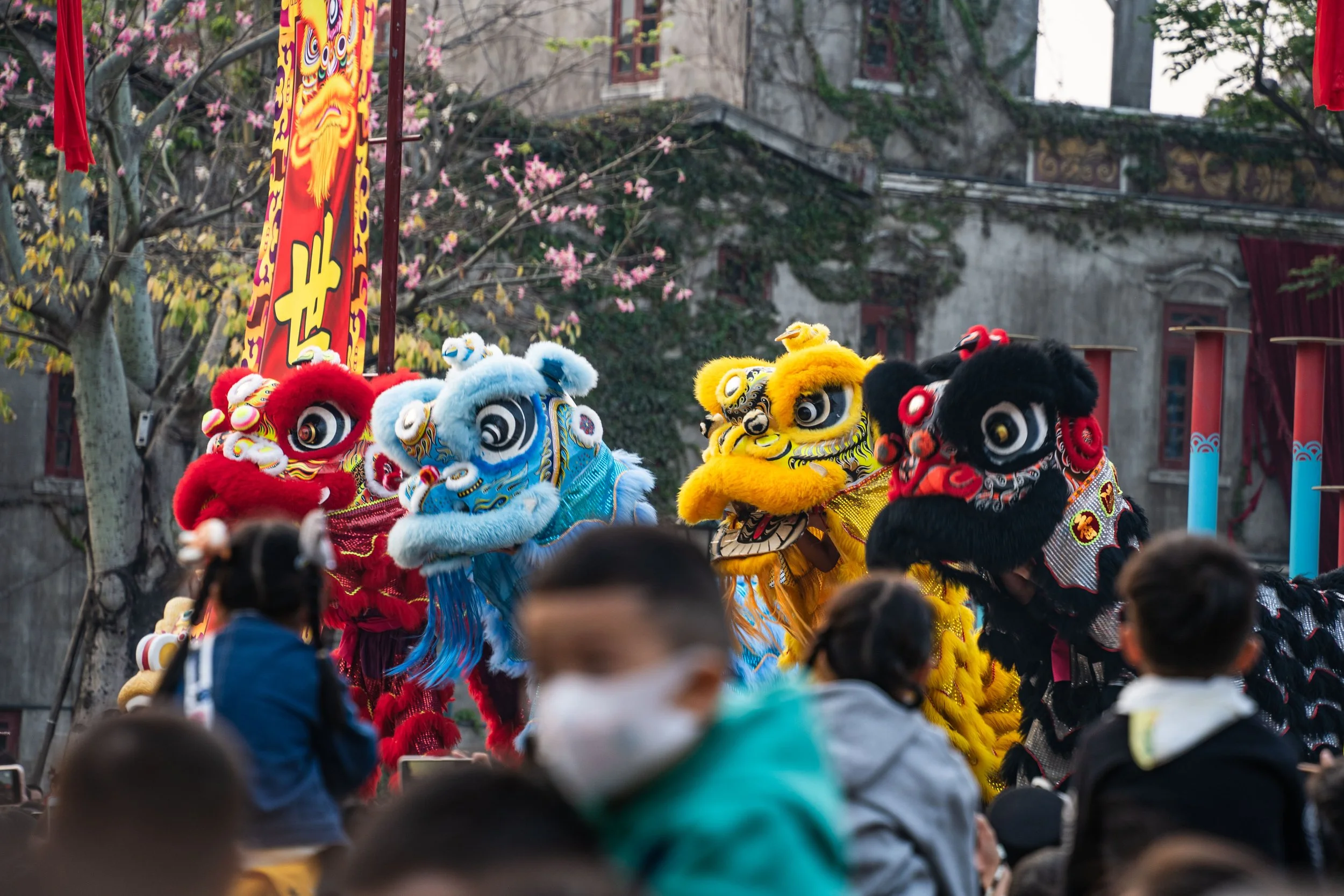
Lion Dance, 2026
