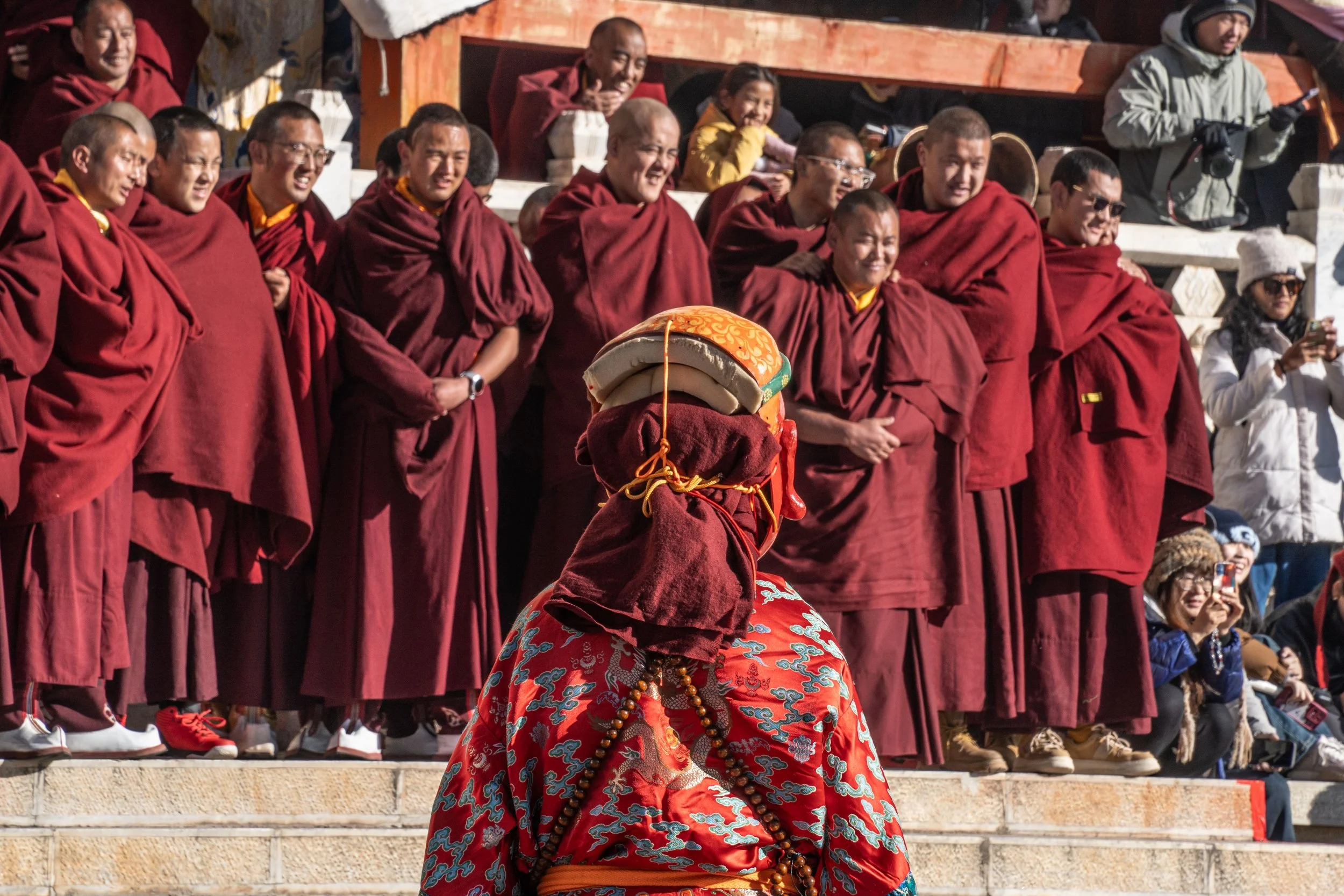
Tibetan Buddhism, taking from Shangri-La, 2025
Tibetan Buddhism is a unique and richly developed form of Buddhism that evolved in the Himalayan region, particularly in Tibet. It represents a synthesis of the original teachings of Gautama Buddha, Indian Mahayana philosophy, Tantric practices (Vajrayana), and indigenous Tibetan beliefs such as the Bon tradition. Over centuries, Tibetan Buddhism has become not only a religion but also a comprehensive cultural and philosophical system shaping Tibetan identity, art, politics, and daily life.
The core teachings of Tibetan Buddhism are based on fundamental Buddhist concepts such as the Four Noble Truths, the Eightfold Path, karma, rebirth, and the pursuit of enlightenment (nirvana). However, what distinguishes Tibetan Buddhism is its strong emphasis on esoteric practices, rituals, and the role of spiritual teachers, known as lamas. The guru-disciple relationship is central, as practitioners believe that guidance from an experienced teacher is essential for progressing on the spiritual path.
Tibetan Buddhism is divided into several major schools, including the Nyingma, Kagyu, Sakya, and Gelug traditions. Among these, the Gelug school is perhaps the most widely recognized, largely due to its association with the Dalai Lama, who serves as both a spiritual and symbolic leader of the Tibetan people. Each school has its own teachings, practices, and lineage, but all share the common goal of achieving enlightenment for the benefit of all sentient beings, reflecting the Mahayana ideal of compassion.
Rituals and symbolic practices play a significant role in Tibetan Buddhism. These include meditation techniques such as visualization, mantra chanting, mandala offerings, and complex ceremonial rites. Monasteries are central institutions where monks and nuns dedicate their lives to study, practice, and teaching. Tibetan Buddhist art, including thangka paintings, statues, and sand mandalas, is deeply spiritual and often used as a tool for meditation and instruction.
Festivals are an important aspect of Tibetan Buddhist culture, combining religious devotion with communal celebration. One of the most notable festivals is the Gedong Festival (also known as Gutor), which takes place shortly before the Tibetan New Year, or Losar. The Gedong Festival is held in monasteries and communities across Tibet and Tibetan cultural regions, serving as a ritual of purification and renewal.
During the Gedong Festival, monks perform elaborate cham dances—sacred masked dances that depict the triumph of good over evil. These dances are not merely performances but are considered powerful spiritual rituals intended to drive away negative forces and obstacles from the past year. One of the central elements of the festival is the creation and destruction of a ritual effigy, symbolizing the expulsion of evil spirits and misfortune.
The festival also includes prayers, offerings, and the burning of symbolic objects, which represent the cleansing of impurities and the welcoming of a new, auspicious year. Laypeople participate by visiting monasteries, making donations, and engaging in communal feasting and celebration. The atmosphere is both solemn and festive, reflecting a deep belief in spiritual renewal and collective well-being.
In modern times, Tibetan Buddhism has spread far beyond Tibet, gaining followers worldwide due to its philosophical depth, meditative practices, and emphasis on compassion and mindfulness. Despite political and social challenges, Tibetan Buddhism continues to thrive both within Tibet and in exile communities, preserving its traditions while adapting to contemporary global contexts.
In conclusion, Tibetan Buddhism is a profound spiritual tradition that integrates philosophy, ritual, and culture into a cohesive system of thought and practice. Festivals like the Gedong Festival highlight its vibrant cultural expressions and its enduring focus on purification, renewal, and the universal aspiration for enlightenment.
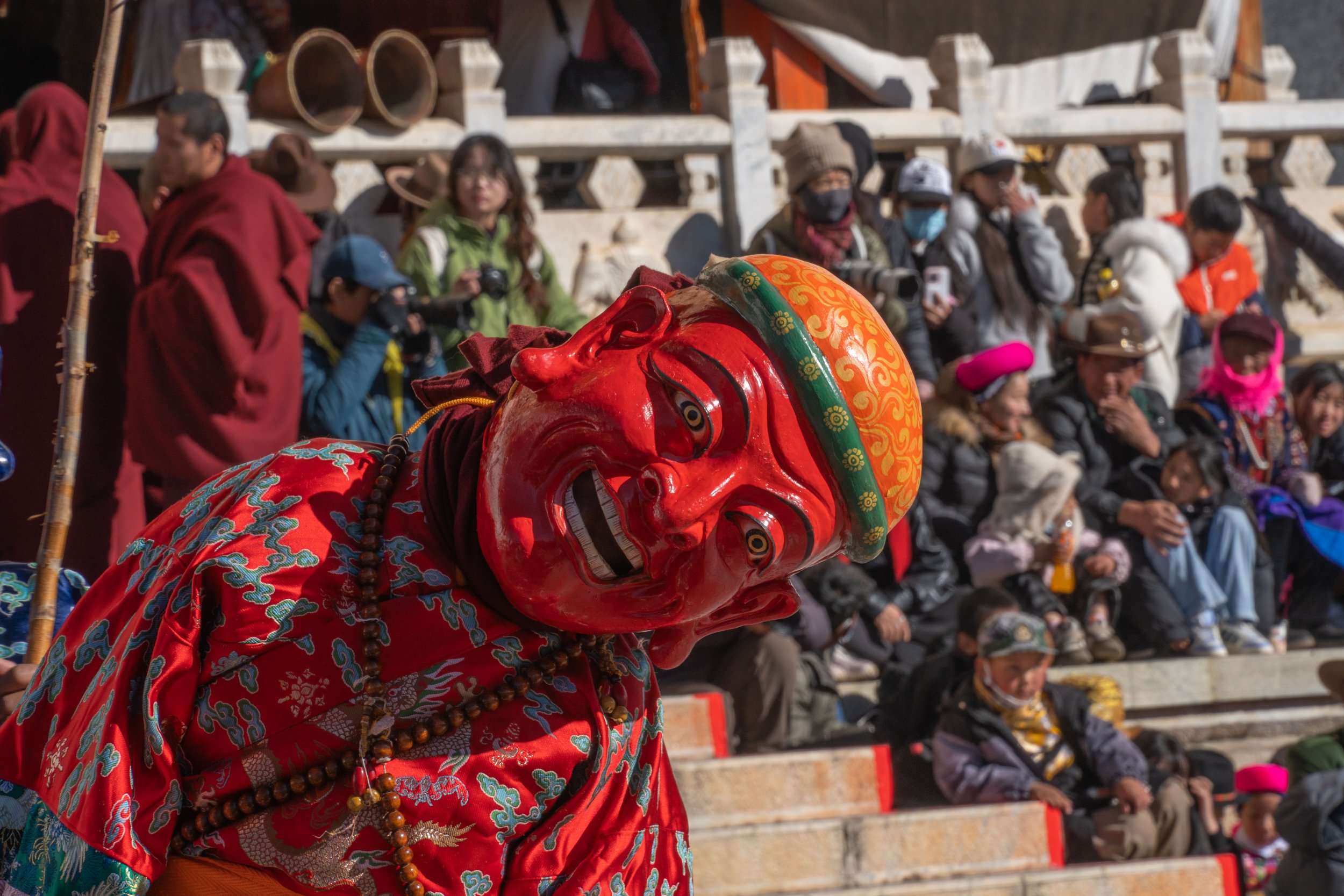
Tibetan Buddhism, taking from Shangri-La, 2025
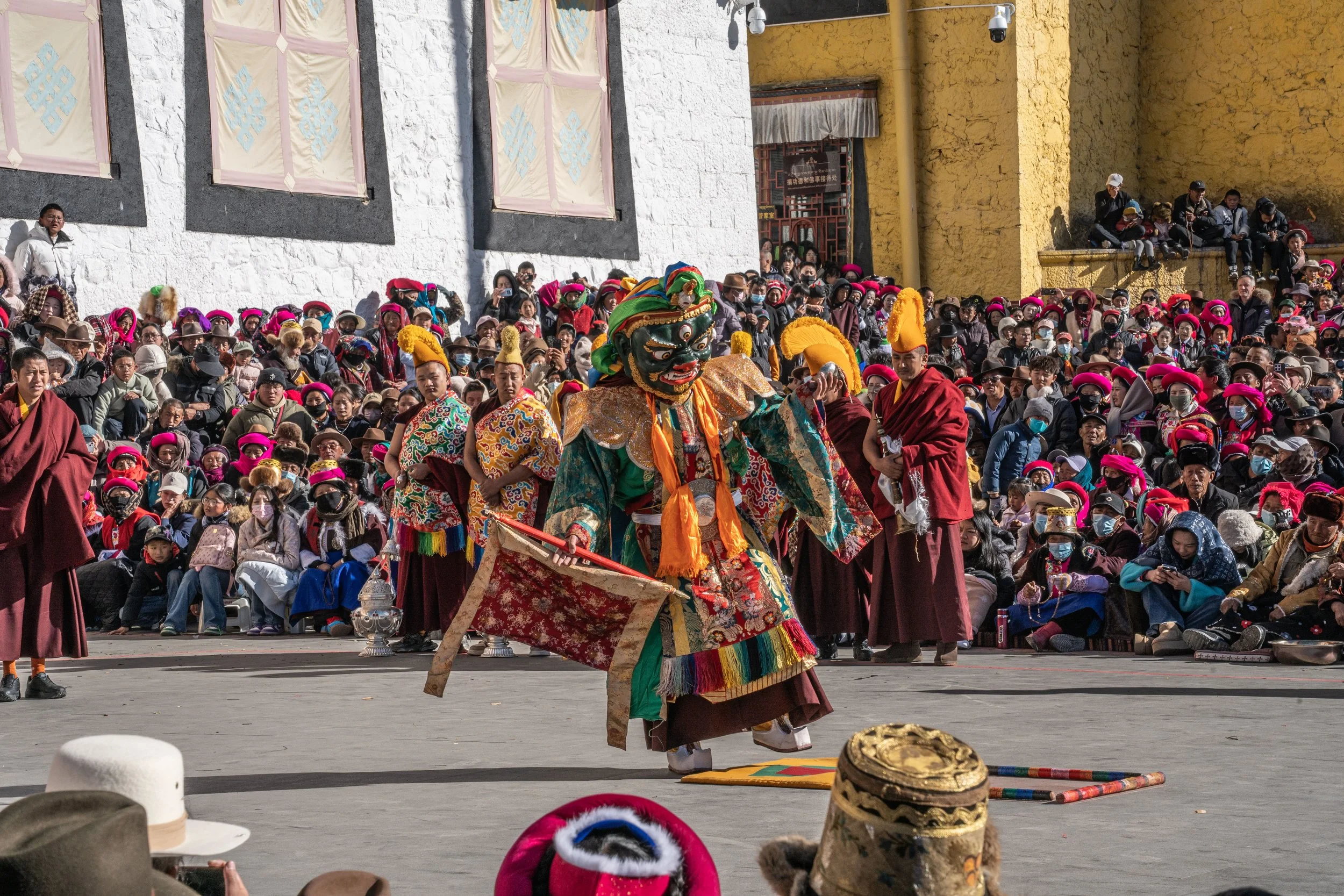
Tibetan Buddhism, taking from Shangri-La, 2025
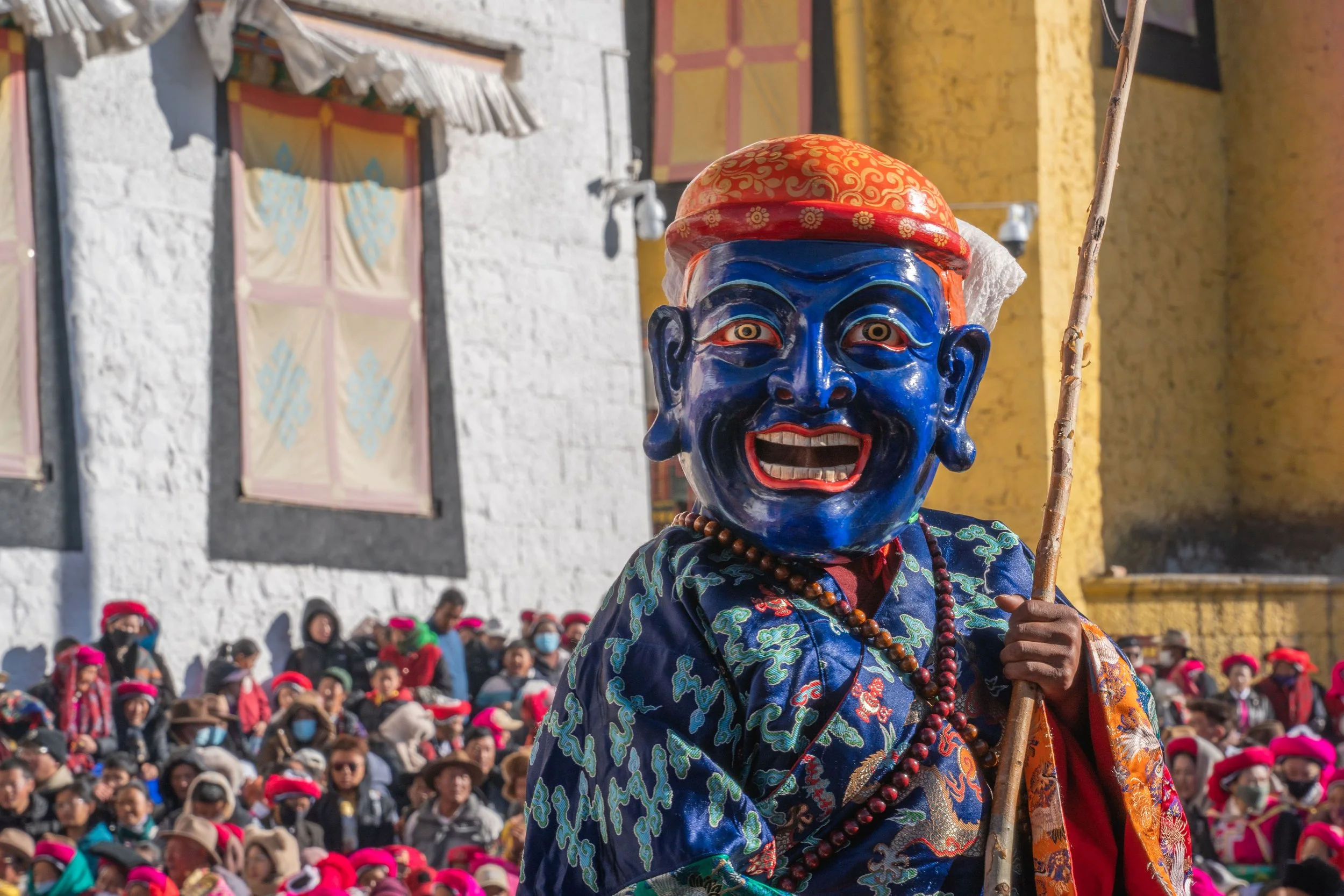
Tibetan Buddhism, taking from Shangri-La, 2025
